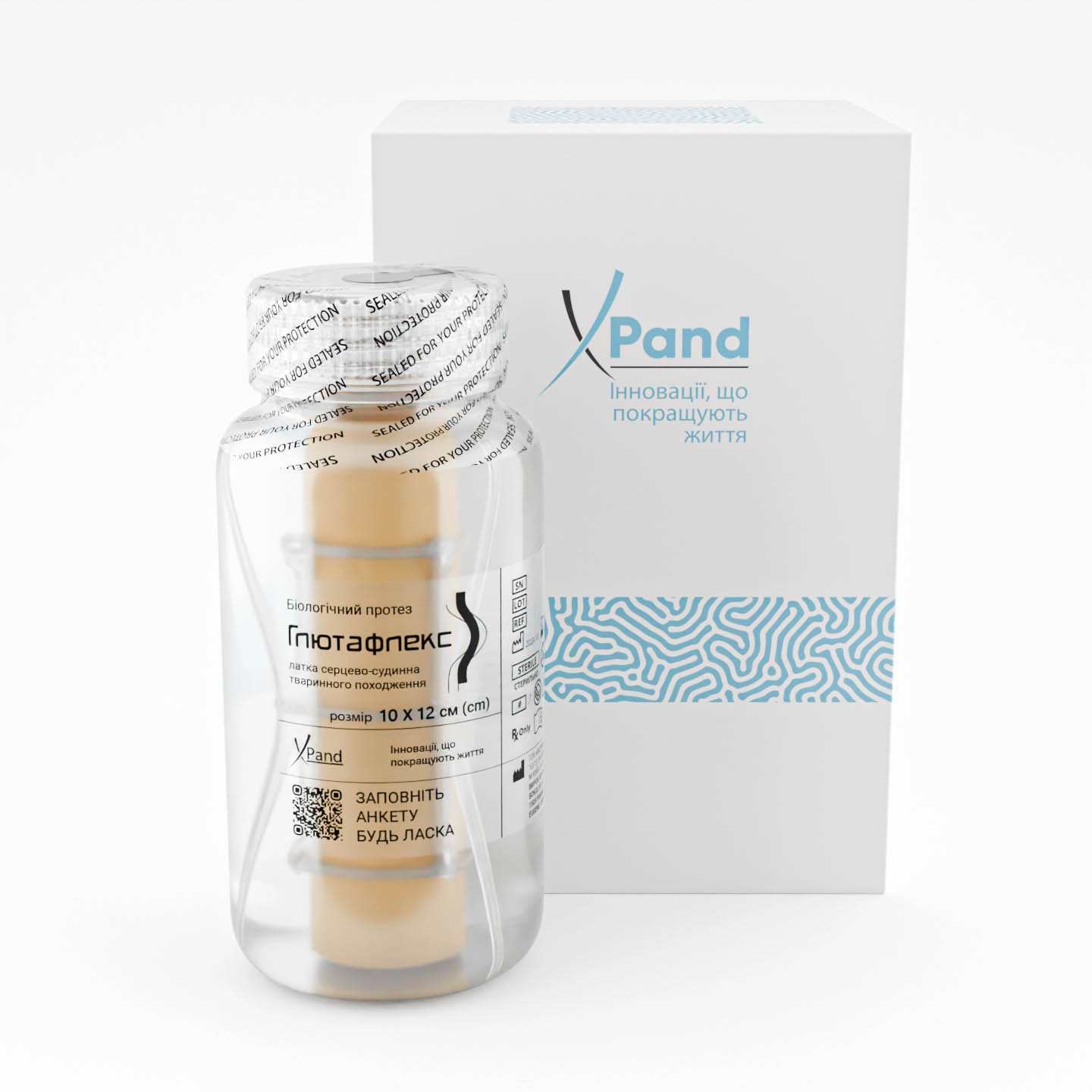
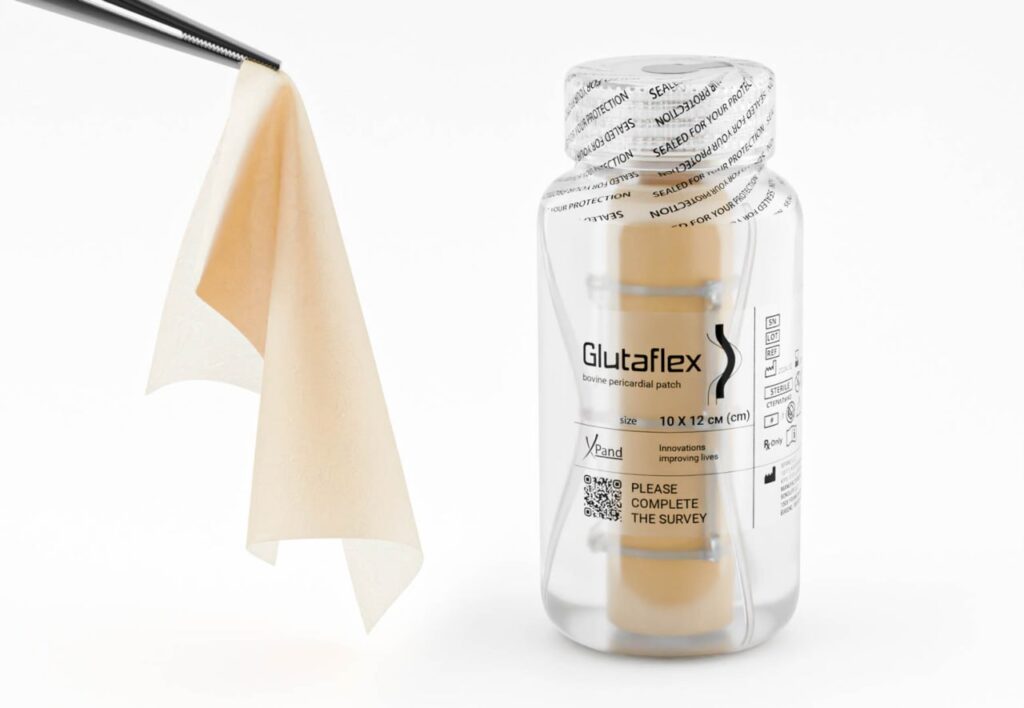
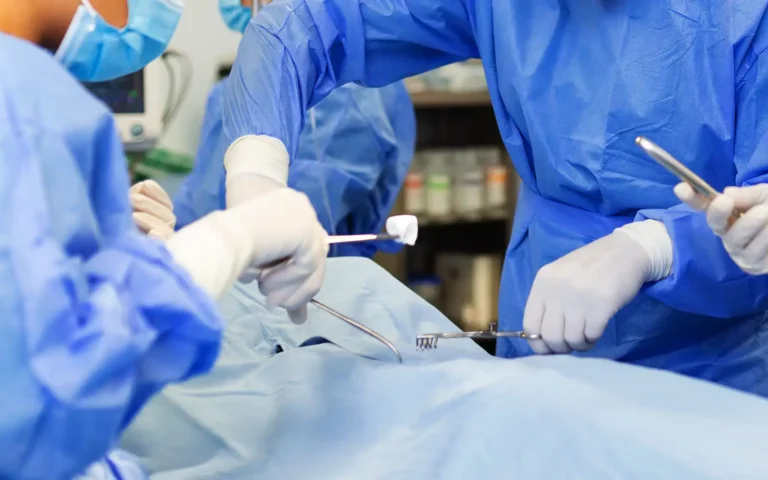
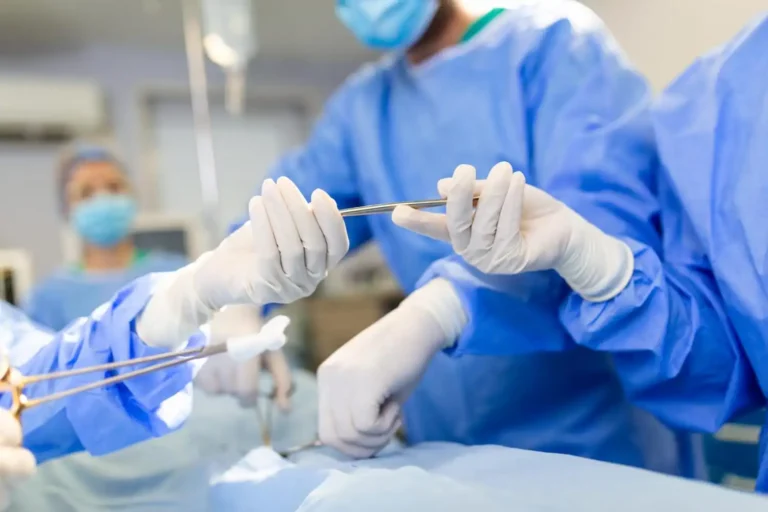
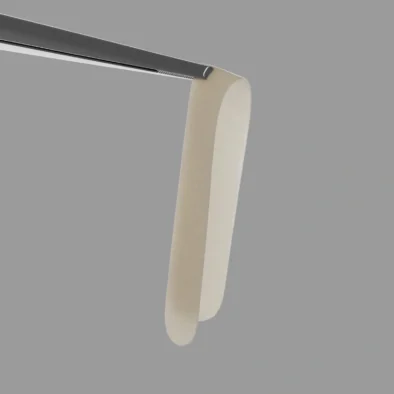
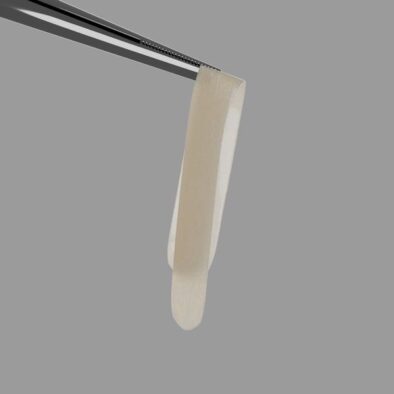
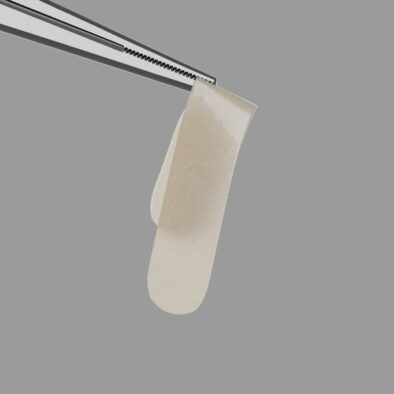
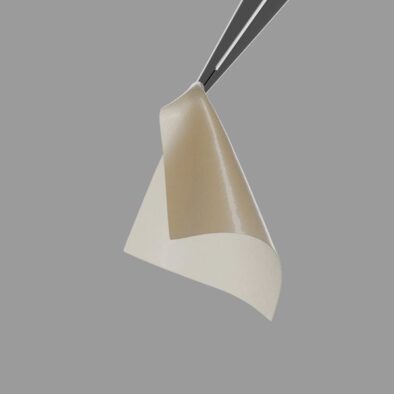
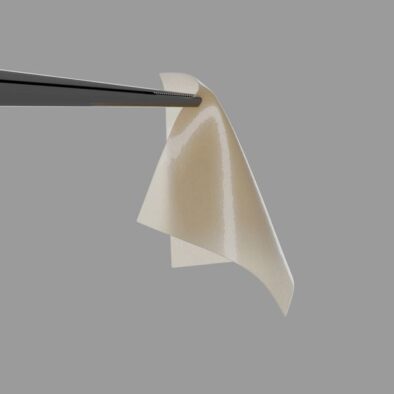
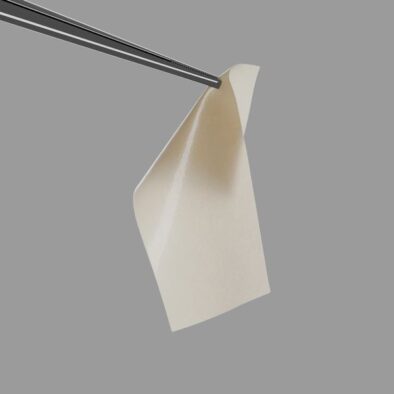
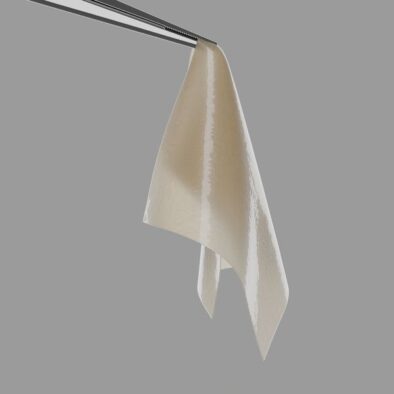
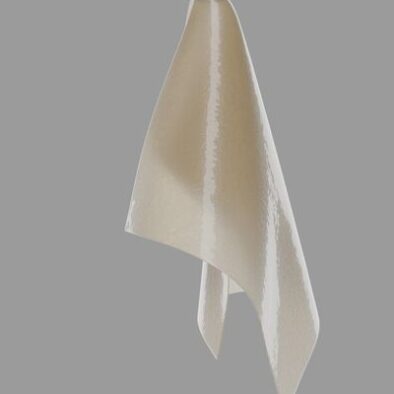
The Glutaraldehyde (GA) Fixed Bovine Pericardium is a high-quality biological tissue derived from bovine pericardium. It is treated with glutaraldehyde and stored in a glutaraldehyde buffer solution to ensure stability and reduce antigenicity. This versatile material is ideal for use in both cardiovascular and reconstructive surgeries.
Source and Safety
1
Controlled Risk
The pericardium is sourced from cattle reared in areas classified by the World Organization for Animal Health (WOAH) as having a controlled risk of bovine spongiform encephalopathy (BSE), ensuring the highest standards of safety and quality.
2
Animal Age
The bovine pericardium is sourced from animals aged 6 to 24 months.
3
Safe and Reliable
The use of glutaraldehyde reduces the antigenicity of the tissue and enhances its stability, making it safe and reliable for medical applications.
4
Sterilization
All our patches are sterilized to ensure the highest level of safety and hygiene.
Product Specifications
Available Sizes:
1 x 6 cm,
1 x 10 cm,
2 x 9 cm,
0.8 x 8 cm,
5 x 5 cm,
6 x 8 cm,
5 x 10 cm,
10 x 10 cm,
12 x 10 cm
Custom Sizes:
Custom sizes and shapes are available upon request to meet specific surgical needs.
Surface Types:
Each patch features a smooth (serous) surface and a villous (fibrous) surface.
Thickness:
The thickness of the patches ranges from 0.3 to 0.75 mm.
Key Features
Biocompatibility
The glutaraldehyde treatment ensures the patches are biocompatible, reducing the risk of rejection and inflammation.
Mechanical Properties
The patches exhibit excellent mechanical properties, providing strength and durability for various surgical applications.
Enhanced Suture Properties
The patches have improved suture retention, reducing bleeding from the needle hole and enhancing surgical outcomes.
Versatility
Suitable for a wide range of applications in both cardiovascular and reconstructive surgery.
Temperature-Controlled Storage
The patches are stored under controlled temperatures to maintain their integrity and effectiveness.
Applications
Cardiovascular Surgery:
Vascular Reconstruction: Used to repair and reconstruct damaged blood vessels.
Arterial and Venous Patch Angioplasty: Utilized in procedures to widen narrowed or obstructed blood vessels.
Heart Valve Repairs: Applied in the reconstruction of heart valves, including mitral, aortic, and tricuspid valves.
Septal Defects: Employed in the closure of atrial and ventricular septal defects.
Outflow Tract Reconstruction: Used in the repair and reconstruction of the right ventricular outflow tract (RVOT).
Aortic Surgery: Applied in the repair and reconstruction of the ascending aorta and aortic arch.
Peripheral Vascular Repair: Utilized in the repair of peripheral arteries and veins.
Reconstructive Surgery:
Soft Tissue Repair: Used for reconstructive plastic surgery of soft tissues in various organs and body parts.
Diaphragmatic Hernia Repair: Applied in the treatment of diaphragmatic hernias, including congenital and acquired types.
Pelvic Floor Reconstruction: Used to strengthen and repair the pelvic floor muscles and structures.
Urological Surgery: Employed in procedures such as cystoplasties and urethroplasties.
Hernia Repair: Utilized in the surgical treatment of abdominal and paracolostomic hernias.
Thoracic Surgery: Used in the closure of bronchial stumps and the repair of thoracic wall defects.
Other Applications:
Neurosurgery: Applied in the replacement of dura mater and repair of cranial defects.
Wound Care: Used in the management and repair of complex wounds, providing a durable and biocompatible covering.
Experimental Surgery: Utilized in various experimental and research settings to evaluate new surgical techniques and medical devices.
Available Sizes:
0.8x8 cm
1x10 cm
1x6 cm
5x5 cm
6x8 cm
5x10 cm
10x10 cm
10x12 cm
Previous
Next
The versatility and reliability of the Glutaraldehyde (GA) Fixed Bovine Pericardium make it an essential material in a wide range of surgical and medical applications, offering effective solutions for complex medical challenges.
For more information or to place an order, please contact Xpand LLC. Our team is dedicated to providing high-quality products and excellent customer service.